
A Guide to White Wine Types: Climate, Craft and Character in Every Glass
Key Takeaways
- The diverse world of white wine is shaped by grape variety, climate, and winemaking decisions, resulting in diverse styles and expressions.
- Crisp and mineral whites offer freshness and precision, while aromatic styles focus on fragrance and intensity, and textured wines bring richness and depth.
- Exploring indigenous and lesser-known varieties reveals a more distinctive side of white wine, rooted in tradition and regional identity.
- Sweetness levels vary from bone dry to sweet, and are determined by residual sugar rather than grape type, making it an important factor in choosing a wine.
- Oak influence changes a wine’s texture and structure, with unoaked styles emphasising vibrancy and oak-aged wines offering greater complexity and body.
Introduction
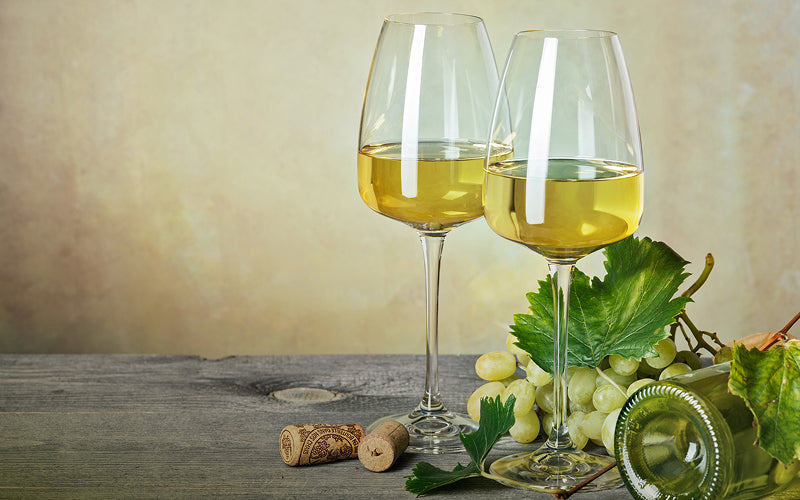
White wine, often seen as the lighter and crisper counterpart to red wine, may seem simple at first glance. In reality, it offers a remarkable range of styles shaped by grape variety, climate, and winemaking techniques. From bright, citrus-driven expressions to richer, more textured styles influenced by oak and ageing, the spectrum is far broader than many expect.
Below, we explore the different types of white wine available, looking at how climate, craft, and character come together to define what you experience in every glass.
Exploring the Different Varieties of White Wine
Crisp and Mineral Whites
Crisp and mineral white wines stand out for their high acidity and clean, linear structure. This type of white wine is typically fermented in stainless steel, a choice that preserves the natural brightness of the fruit without introducing additional texture or flavour from oak.
Climate plays a central role here. In cooler regions, grapes ripen more slowly, allowing them to retain higher acidity while developing subtle, nuanced flavours. This results in wines that feel clean and focused, often carrying notes of citrus, green apple, and a distinctive saline or stony minerality.
Crisp and mineral white wines are particularly appealing for their ability to refresh the palate and pair effortlessly with lighter dishes, seafood, and Asian cuisine.
Common Examples
- Sauvignon Blanc — citrus-driven, herbaceous, bright acidity
- White Nahalal — fresh, saline, clean finish
- Chenin Blanc — high acidity with mineral precision
- Mtsvane — lifted freshness with subtle mineral nuance
Aromatic and Expressive White Whites
In contrast to the restraint of crisp whites, aromatic and expressive styles are defined by their fragrance and intensity. These wines are immediately engaging, often releasing pronounced aromas as soon as they are poured.
Floral notes such as jasmine and orange blossom are common, alongside fruit-driven aromas like lychee, peach, and tropical fruits. While some of these wines may include a touch of residual sugar to enhance their aromatic appeal, many remain structurally balanced with lively acidity that prevents them from feeling overly rich.
This type of white wine is particularly beginner-friendly, as the aromas are easy to identify and enjoy. At the same time, they offer enough complexity to remain interesting for more experienced drinkers, especially when paired with boldly flavoured dishes such as spicy or aromatic cuisines.
Common Examples
- Gewürztraminer: Known for its exotic spice and lychee notes
- Torrontés: Offers bright florals and citrus lift
- Mtsvane: Floral lift and stone fruit aromatics
- Tunisian Chardonnay & Muscat Alexandria: Mediterranean fruit, soft florals, rounded freshness
Textured and Oak-Aged Whites

Textured and oak-aged white wines offer a richer, more layered expression, focusing on body, mouthfeel, and complexity. These wines are often fermented and aged in oak barrels, which introduces additional depth through subtle notes of vanilla, spice, toast, or nuttiness.
The grapes used are grown in warmer regions, making them more likely to develop riper fruit profiles. This contributes to a fuller body and rounder texture. However, oak does not automatically mean heaviness. The best examples maintain balance, where richness is supported by enough acidity to keep the wine structured and refined.
Textured and oak-aged whites appeal to those who prefer a more substantial, lingering palate. This makes them well-suited for pairing with creamy dishes, roasted poultry, or richer seafood preparations.
Common Examples
- Chablis: Ranges from lightly oaked to rich and buttery with layered complexity
- Semillon: Can develop waxy texture and depth, especially with age
- Viognier: Known for its full body and aromatic apricot, peach profile
- Pinot Gris (fuller styles): Offers a richer, more textured mouthfeel
- Chenin Blanc (barrel-aged styles): Combines acidity with honeyed richness and structure
Indigenous and Historically Rooted Whites
Beyond internationally recognised varieties, there is a growing appreciation for indigenous grapes that reflect local traditions and heritage. These wines often come from regions with long winemaking histories, offering profiles that feel distinct and less familiar to mainstream drinkers.
Rather than following global trends, these types of white wines are shaped by place and culture. They often highlight unique flavour profiles, textures, and winemaking techniques that have been preserved over generations.
Common Examples
- Rkatsiteli: An ancient grape from Georgia, often showing apple, quince, and subtle spice
- Obaideh: A rare Lebanese variety with delicate citrus and herbal notes
- Muscat of Alexandria: Expressive and aromatic, bringing floral lift and vibrant fruit intensity shaped by Tunisia’s Mediterranean warmth.
- Chenin Blanc: Complex, age-worthy South African white wines with depth and structure
How to Read and Distinguish Between White Wines
Beyond grape variety and region, key distinctions such as sweetness and oak influence play a defining role in how a wine tastes and feels. Learning to recognise these elements makes it easier to choose wines that align with your preferences.
Dry vs Sweet White Wines
Sweetness level is determined by residual sugar, which is the natural grape sugars left unfermented after winemaking. Climate, harvest timing, and fermentation choices all influence this balance. For instance, grapes harvested later in the season tend to have higher sugar levels, while stopping fermentation early can preserve more natural sweetness in the wine.
Importantly, sweetness is not inherently linked to a specific grape variety. Many grapes can be produced in dry or sweet white wine styles, depending on intention and technique.
Bone Dry
Bone dry wines, like dry Riesling, contain little to no perceptible residual sugar, emphasising acidity, minerality, and structural precision. They feel crisp and clean on the palate, often showcasing purity of fruit and freshness. These wines are typically the most refreshing and are well-suited for pairing with lighter dishes or enjoyed on their own in warm climates.
Off-Dry
Off-dry white wines carry a subtle touch of sweetness, balanced by lively acidity to maintain harmony. This slight softness enhances aromatics and texture without overwhelming the palate. They are particularly versatile, pairing well with a wide range of cuisines, including dishes with spice or bold flavours.
Sweet
Sweet white wines retain noticeable residual sugar, resulting in richness and layered fruit intensity. The finest examples, such as Moscato, balance sweetness with acidity, preserving elegance and lift rather than heaviness. These types of white wine can range from gently sweet to lusciously rich, and are often enjoyed as dessert pairings or as a standalone indulgence.
Oak-Aged vs Unoaked Whites
It’s important to note that oak ageing is not a measure of quality. Rather, it simply influences the wine’s texture and flavour.
Unoaked white wines highlight the natural character of the grape and the influence of climate, often resulting in bright, fruit-forward profiles with a crisp edge. They are typically fermented in stainless steel or inert vessels.
Oaked-aged whites, on the other hand, tend to feel fuller and more rounded on the palate, with additional depth that develops over time. However, the level of oak influence can vary widely, from subtle and integrated to more pronounced styles.
Choosing between the two comes down to personal preference. Some prefer the clean, vibrant character of unoaked wines, while others enjoy the depth and structure that oak can bring. If you are looking to order white wine online, it can be helpful to first explore wine-tasting experiences to choose wines that truly suit your palate.
Conclusion

From crisp, mineral-driven expressions to aromatic profiles and more textured, oak-influenced styles, each type of white wine offers a different way to experience balance, structure, and flavour. Learning how to distinguish between these elements allows you to move beyond labels and trends, and towards wines that genuinely resonate with your palate.
At The Velvet Bottle, we make this journey more intentional. As a trusted online wine shop in Singapore, each bottle is thoughtfully curated from independent producers and lesser-known regions, chosen for its character rather than convention. Whether you are exploring new styles or refining your preferences, discover wines that offer depth, story, and a sense of place.
Experience how the right bottle can transform the way you enjoy white wine. Explore our collection today.